
POI: The Diagnosis Nobody Expects
I was 15, Rihanna was number one in the charts, WKDs were being snuck into sleepovers, and my biggest worry should have been what I was wearing to the school prom.Instead, I was sitting in a hospital being told that my ovaries weren't working properly and that I was "menopausal".At an age when most girls are just starting their periods, I was diagnosed with Premature Ovarian Insufficiency (POI), a condition that affects thousands of women and girls worldwide and can cause infertility, menopausal symptoms and long term health risks.I didn't fully understand what it meant. We'd only just learnt about sex education and our bodies at school and the only thing I knew about menopause was what my grandma had told me. I couldn't possibly have understood the impact it would have on the rest of my life.After my diagnosis, I was prescribed the contraceptive pill rather than HRT. I was told I was "too young" for HRT and that I would 'fit in better with my peers anyway.' I began attending monthly pill reviews, only to be asked the same questions and handed a cup for a pregnancy test. It was never the same nurse and they never really understood.I was a virgin. I was infertile.The irony was never lost on me.Eventually, I stopped taking the pill altogether. The repeated pregnancy testing and lack of support became too much. Nobody discussed the importance of hormone replacement for my long term health. Nobody followed up.For years, POI consumed my life. Every sickness bug, every bout of nausea, every late night Google search convinced me that maybe, somehow, a miracle had happened. I clung to that 5% chance with everything I had. Yet, I was still a child myself.It wasn't until years later that I found the Daisy Network.For the first time, I didn't feel alone. I found people who understood exactly what I was going through and learnt just how important HRT was for my future health. Within months, I had joined the volunteer team.As I got older, I started asking questions. I knew I would need help to have children one day. I knew I should be on HRT. I knew something wasn't right. Yet every time I went back looking for support, I felt dismissed."Are you over it now?" my GP asked, referring to the emotional impact of my diagnosis. It was the first appointment I'd had about POI since being diagnosed years earlier."We don't have any record of your diagnosis. You'll have to be retested.""You need to lose weight, come back when you're ready to be a mum."By my twenties, fertility was no longer a distant concern. It was my reality. Around me, friends were building their families, having first babies and then second babies.I had grown up knowing infertility was coming. I knew I would need donor eggs if I wanted the chance to carry a pregnancy. But knowing it was coming didn't make it any easier.When I began exploring donor egg IVF, my GP made enquiries about funding. Despite living with a diagnosed medical condition that causes infertility, we were denied NHS funding because my partner already had children. Also being told it didn't really matter because there were no donor eggs available anyway. After years of being misunderstood and dismissed by the healthcare system, it felt like another door closing.I was exhausted.I'd spent my whole life obsessed over becoming a mother. Quitting smoking. Losing weight. Trying to be the perfect candidate. Building the perfect "CV" for motherhood. All to be told no.Infertility is often spoken about in statistics, treatment plans and success rates. Less often do we talk about the years spent fighting to be heard, the repeated explanations, the appointments that leave you feeling invisible, or the grief that arrives long before treatment ever begins and never truly leaves.For a long time, I allowed POI to make me angry and hurt. But when I finally felt seen through Daisy Network, I channelled that grief into something else. What started as volunteering became supporting people with POI across the world. It led to publishing my story in books including Meg Mathews' The New Hot, helping to launch World POI Day as part of the Daisy Network team, becoming a Trustee of Daisy Network, and building a career advocating for women's health and fertility.Today, I work as a freelance creative designer supporting organisations including Paths to Parenthub, Fertility Matters at Work and others working to improve conversations around infertility, menopause, donor conception and reproductive health.The teenager sitting in that hospital room all those years ago could never have imagined any of it.But I've spent the last 16 years trying to make her proud. Trying to make sure nobody else feels quite as alone as I did.If I could go back and tell her one thing, it would be this:
“POI will take things from you. There is no point pretending otherwise. But it won't take everything. There will be friendship, purpose, community and opportunities you cannot yet imagine. And one day, the story that once felt impossible to tell might just help someone else feel a little less alone.”
I'm now 31. A partner, homeowner, freelancer and proud stepmum to two wonderful children.Though life may not have turned out the way I imagined at 15, it turned out to be worth fighting for.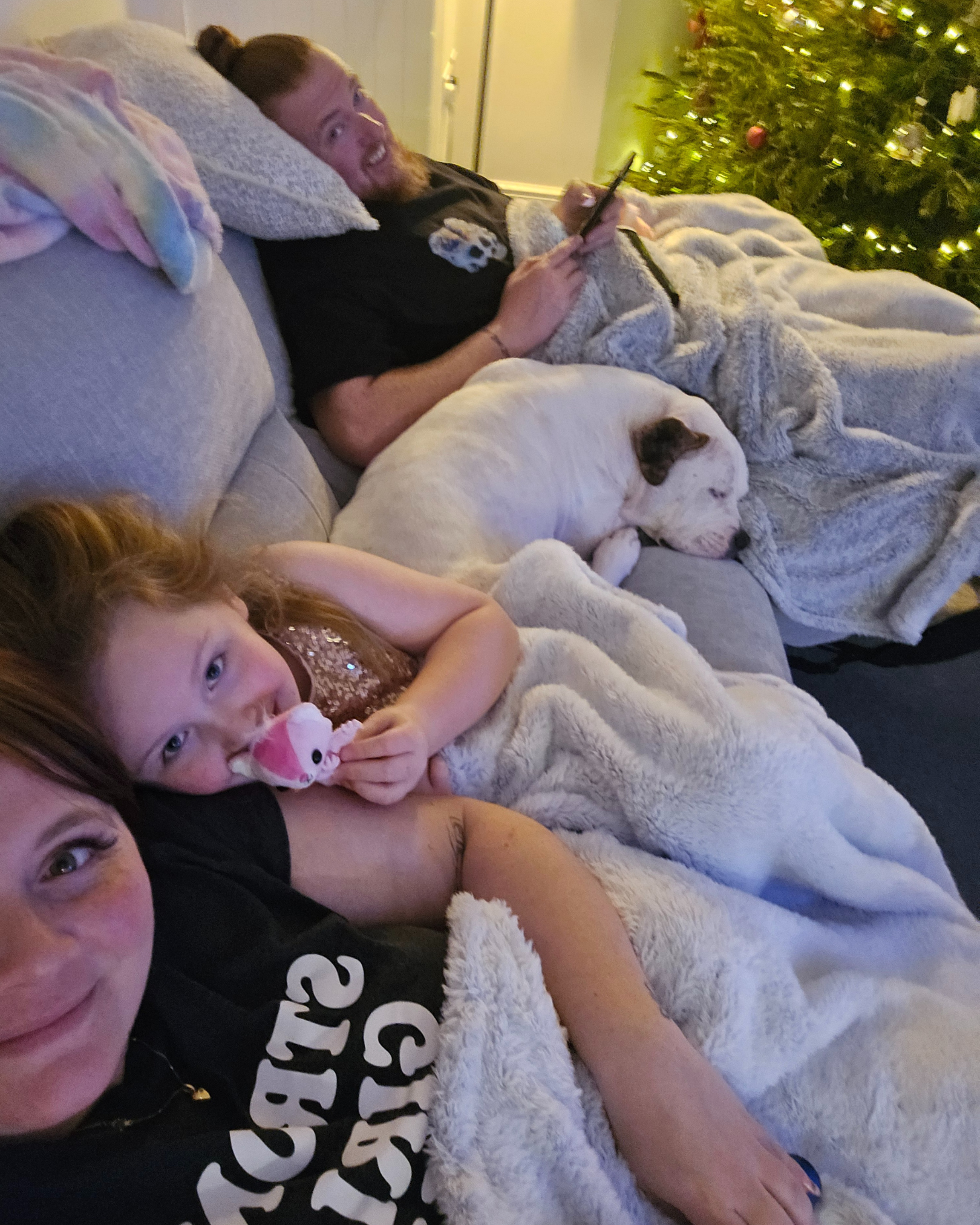
Written by Bethany Harrold
